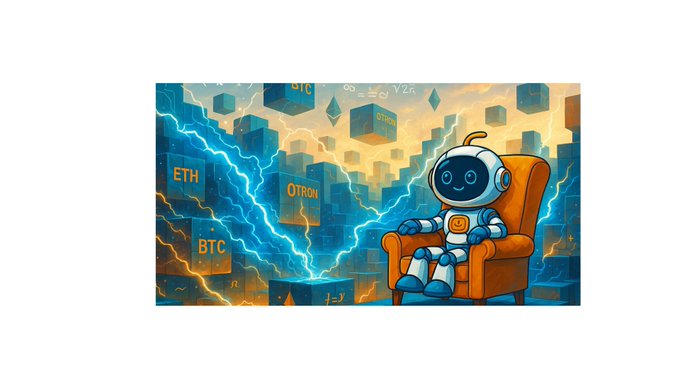

Decentralized Networks
Decentralized networks are systems in which control and decision-making are distributed across multiple nodes rather than being concentrated in a single central authority. Unlike traditional centralized networks, where a single server or entity manages the entire network, decentralized networks operate through a collective of independent participants that work together to maintain the system’s functionality, security, and reliability.
At the core of decentralized networks is the principle of distributing power and responsibility. This design reduces the risks associated with central points of failure, such as server outages, cyber-attacks, or censorship. Because no single node holds complete control, the network becomes more resilient and resistant to disruptions. Each node typically keeps a copy of the data or participates in validating transactions, ensuring transparency and trust among participants.
One of the most prominent examples of decentralized networks is blockchain technology, which underpins cryptocurrencies like Bitcoin and Ethereum. In these systems, transactions are recorded on a public ledger that is shared and verified by multiple nodes around the world. This process eliminates the need for intermediaries such as banks or payment processors, enabling peer-to-peer exchanges that are secure, transparent, and immutable.
Decentralized networks also play a crucial role in enabling distributed computing and storage solutions. Platforms like IPFS (InterPlanetary File System) use decentralized protocols to store and share data across a network of computers, improving redundancy and reducing dependency on centralized servers. This can lead to faster content delivery and enhanced privacy since data is not controlled by a single entity.
The benefits of decentralized networks extend beyond technical resilience. They promote greater user autonomy and privacy by giving individuals control over their own data and interactions. In social media, decentralized platforms aim to reduce the influence of corporate-owned algorithms and censorship by distributing content moderation responsibilities among users. This democratization of control fosters more open and censorship-resistant communication channels.
However, decentralized networks also present challenges. Coordination among distributed nodes can be complex, leading to issues with scalability and speed. Achieving consensus—agreement on the network’s state—requires sophisticated algorithms that can handle faults and malicious actors. Additionally, because control is spread out, governance and decision-making processes can be slower and more contentious than in centralized systems.
Despite these challenges, the adoption of decentralized networks continues to grow across various industries. They are being explored for applications in finance, supply chain management, identity verification, and even voting systems. By removing intermediaries and increasing transparency, decentralized networks have the potential to create more equitable and efficient systems.
In summary, decentralized networks represent a shift from traditional centralized control to distributed collaboration. They enhance security, transparency, and user empowerment by dispersing control among many independent nodes. While they face technical and governance hurdles, their potential to transform how data and value are exchanged makes them a foundational technology for the future of the internet and digital interactions.
About the Author