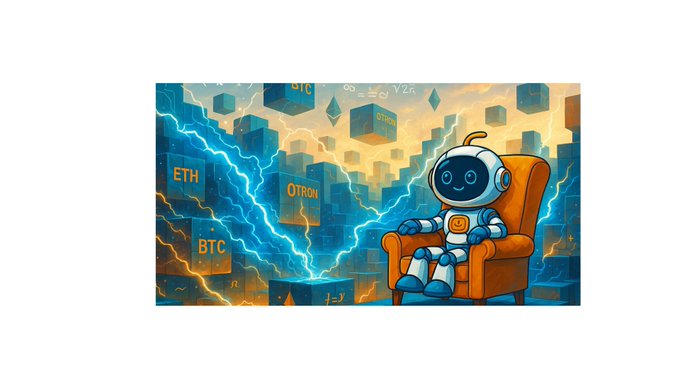

Coin or Token?
Let’s demystify the two fundamental building blocks of the crypto world. While often used interchangeably, they have crucial differences. This guide will help you understand what sets them apart.
Coins
Think of a coin as the native currency for its own highway. It’s essential for the highway to operate. Bitcoin (BTC) is a coin on the Bitcoin highway.
Tokens
A token is like a car or a truck that uses an existing highway. It doesn’t build the road, it just travels on it to perform a specific job.
Core Differences at a Glance
This section provides a visual comparison of coins and tokens across key criteria. Hover over the bars in the chart to see detailed explanations, which will help clarify how each type functions within its ecosystem.
How They Relate
Understanding the relationship is key. A blockchain is the foundation. Its native coin powers it, while tokens are applications built on top. Interact with the diagram below to see how each component fits into the larger picture.
The Blockchain (e.g., Ethereum)
Native Coin (ETH)
Powers the network, pays for transactions (gas fees).
Token (UNI)
Utility: Governance
Token (LINK)
Utility: Oracle Service
Token (NFT)
Asset: Digital Art
Check Your Understanding
Ready to test your knowledge? This short quiz will help solidify the concepts we’ve covered. Select the best answer for each question to see how well you’ve grasped the difference between coins and tokens.
Quiz Complete!
Real-World Examples (50 Assets)
Theory is great, but seeing real examples makes it stick. Below are 50 of the most well-known coins and tokens. Use the filters to explore each category and see their logos and primary functions.
- Blockchain Independence:
- Cryptocurrencies operate on their own native blockchain networks.
- Tokens are built on top of existing blockchain platforms and rely on those networks for transaction processing and security.
- Purpose and Functionality:
- Cryptocurrencies primarily serve as digital money and a means of value transfer.
- Tokens can represent a variety of assets, rights, or utilities beyond just currency, including governance rights, access to services, or ownership of digital collectibles.
- Creation and Standards:
- Creating a cryptocurrency requires developing and maintaining an independent blockchain.
- Tokens are created using smart contracts on existing blockchains, leveraging predefined standards (e.g., ERC-20, ERC-721) for interoperability and ease of use.
Examples to illustrate the differences:
- Bitcoin (BTC): A cryptocurrency with its own blockchain. It’s used as a decentralized digital currency and store of value.
- Ethereum (ETH): Although Ethereum is also a cryptocurrency, it supports the creation of tokens on its network, enabling various decentralized applications (dApps).
- Uniswap (UNI) Token: A token built on the Ethereum blockchain, giving holders governance rights in the Uniswap decentralized exchange but not functioning as an independent cryptocurrency.
In summary, cryptocurrencies are standalone digital currencies with their own blockchains, while tokens are digital assets created on top of existing blockchains with diverse uses. Understanding this distinction helps in navigating the crypto space, whether for investment, development, or usage.